
DIY Liquid Fertiliser: Grow Lush Plants for Less

DIY Liquid Fertiliser: Brewing Up a Budget-Friendly Boost
Brewing liquid fertiliser from everyday scraps is a budget-friendly and super eco-conscious way to nourish your plants. Think of it as making a nutrient-rich "tea" for your garden!
Let's explore how to create nutrient-rich concoctions from common household and garden materials:
.
Ingredient Source:
Kitchen Castoffs:
-
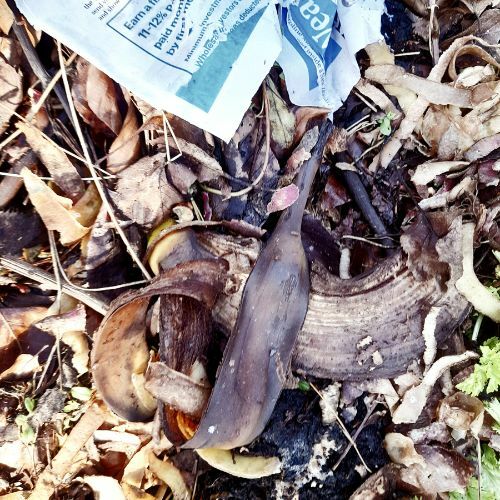
Fruit and Veggie Peels: Things like banana, potato, citrus, and more, which provide essential minerals and potassium.
-
Coffee Grounds: Packed with nitrogen (great for leafy growth).
-
Eggshells: A champion source of calcium.
Yard and Garden Riches:
-
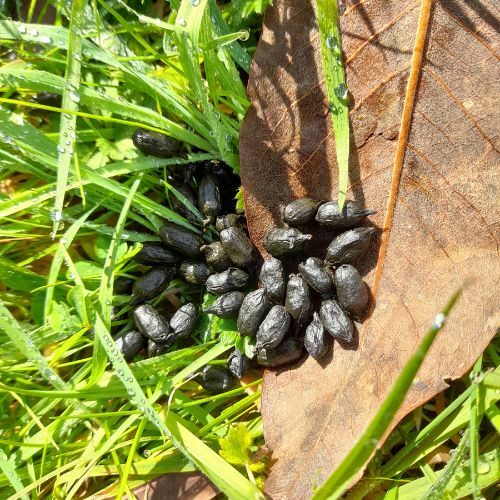
Grass Clippings: Another excellent source of nitrogen.
-
Weeds (pre-seed): Use them to extract nutrients, but be careful not to spread unwanted guests!
-
Plant Trimmings: Leaves, stems, and prunings that recycle nutrients back into the garden.
Extra Boosters:
-
Manure: Use aged or composted manure to prevent scorching your plants.
-
Seaweed (rinsed): Full of fantastic trace minerals.
-
Fish Scraps (heads, bones, guts): Creates a potent, highly nourishing fish emulsion.
.
.
Simple Brewing Methods for Your Garden Tea
The method is generally the same for all of these: steep, strain, and dilute!
-
Compost Tea
-
Ingredients: Compost or any compostable materials (kitchen scraps, garden waste).
-
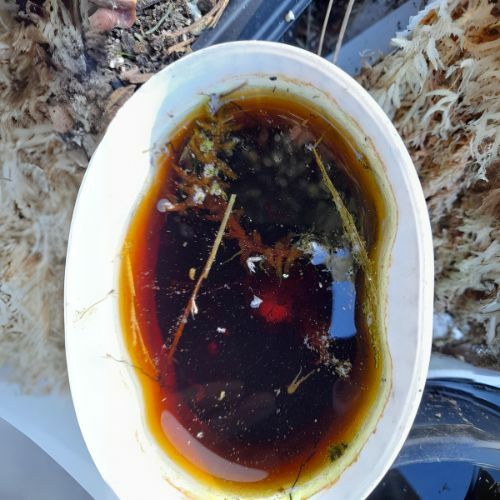
Recipe: Steep your materials in a water-filled container for days or even a few weeks. Stir it now and then. Strain out the solids and then dilute the mix before feeding your plants.
-
-
Manure Tea
-
Ingredients: Aged or composted manure (cow, horse, chicken). Aged is critical!
-
Recipe: Submerge a burlap sack or an old pillowcase filled with manure in a bucket of water. Steep for days or weeks, stirring occasionally. Again, dilute before use to avoid scorching your beloved plants.
-
-
Weed Tea
-
Ingredients: Weeds you've pulled, making sure they haven't set seed yet.
-
Recipe: Steep the weeds in a water-filled container for several weeks. Strain the solids and use the diluted liquid as fertiliser.
-
-
Seaweed Elixir
-
Ingredients: Fresh or dried seaweed (make sure it's well-rinsed to remove excess salt).
-
Recipe: Steep well-rinsed and chopped seaweed in water for days or weeks. Strain solids and dilute before using as fertiliser.
-
-
Fish Emulsion Power Food
-
Ingredients: Fish scraps (heads, bones, guts).
-
Recipe: Fill a bucket with fish scraps and water, letting it ferment for weeks with occasional stirs. Strain solids and dilute significantly before using as a liquid fertiliser. (Warning: This one can get a bit stinky!)
-
.
Fertiliser Wisdom:
-
Dilution is Key:
Always dilute liquid fertilisers to prevent burning plants (typically 10 parts of water : 1 part fertiliser).
-
Application Options:
Use liquid fertiliser as a soil drench or foliar spray. Targeting the base of plants or leaves directly. -
Feeding Frequency:
Apply every 2-4 weeks during the growing season, adjusting based on plant needs and nutrient deficiencies. -
Storage Secrets:
Keep liquid fertilisers in sealed containers in a cool, dark place, using them within a few weeks for best results.
By creating your liquid fertiliser from household scraps and garden waste, you're reducing waste, boosting soil health, and promoting vibrant plant growth – all without relying on synthetic chemicals.
It's a win-win for your garden and the environment!
Here is another blog I wrote about starting a garden
P.S. For more in-depth gardening tips, specific recipes for soil health, and exclusive updates about my plant stock, make sure you sign up for the Kats Flora Newsletter!
Posted: Saturday 6 July 2024
Recent Posts
Archive
Tags
| Top |