
Hoya polyneura-Fishtail
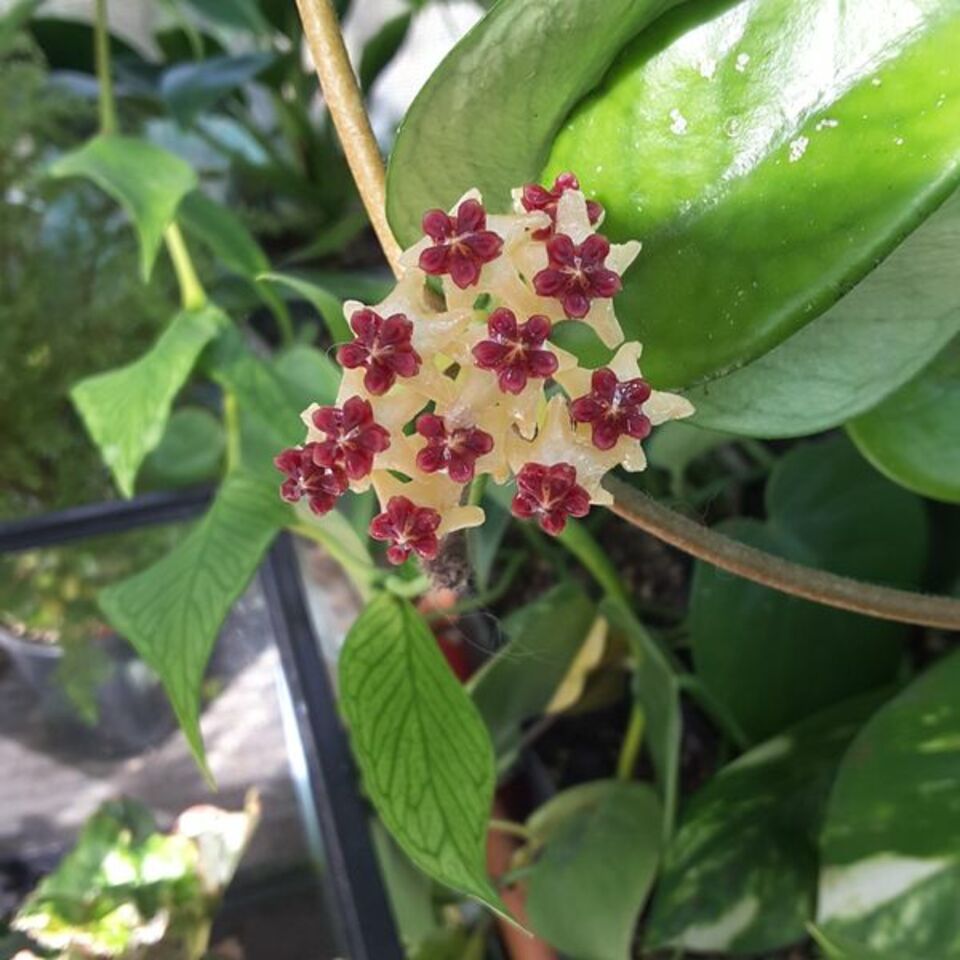
This variety is prized for its beautiful, thin leaves that resemble a series of green fish tails or mermaid scales. It naturally has a lovely cascading growth habit, making it an absolute showstopper when allowed to drape from a shelf or hanging basket. This is a lovely small plant that is ready to grow into a spectacular specimen for you!
Information
Plant Details & Notes
Unique Flowers: The flowers on the polyneura are quite different in colour and texture compared to the first few Hoyas most people acquire, making the wait for a bloom truly rewarding.
Kat's Notes: My own Fishtail Hoya took a little while to actually flower for me, so patience is key! But once it did, I was really pleased with the unique, delicate look of the blooms.
Light Needs: As a thinner-leaved variety, this Hoya sometimes appreciates slightly lower light levels than the thick-leaved carnosa types, though it still needs plenty of brightness to encourage that lovely growth.
Hoya Care Guide (Wax Plants)
Key to a Happy Hoya
Hoyas are truly rewarding plants, but they do have a few specific preferences that are important to know! Getting these basics right will ensure your Hoya thrives:
Light: Hoyas adore bright light! They really thrive in a spot where they can get plenty of filtered sun. The more light they receive (without scorching the leaves), the better they flower and the more compact their growth will be.
Watering: This is the most crucial part! As semi-succulents, they store water in their thick leaves. Always allow the potting mix to dry out almost completely between waterings.
A great tip is the 'flick test': gently flick or bend a leaf edge. If it's flexible, the plant needs a drink. If the leaf is stiff and non-bendy, hold off on the water! Overwatering is the fastest way to lose a Hoya.Potting Mix: They must be in a free-draining mix. Using something airy, potting mix blended with extra pumice, helps prevent root rot and keeps them happy.
Feeding: Feed regularly during the spring and summer growing season with a diluted liquid fertiliser.
If you want flowers, make sure your fertiliser includes plenty of phosphorus (the 'P' in the NPK ratio). Patience: Don't cut off those peduncles (the little woody flower stems)! Hoyas re-bloom from the same spot, year after year.
Stock Notifications
Details of the product above will be automatically included with your enquiry.
Associated Items
| Top |